5 Most Common Questions About Whiplash

February 17, 2023

Whiplash is a painful neck injury that occurs when the muscles and tendons in the neck are damaged. It's a common soft tissue injury that is sometimes referred to as a neck strain. While it's usually a minor injury, it can cause more serious symptoms. If you have questions about this condition, you'll find some answers below.


1. What Causes Whiplash?


Many people develop whiplash after being involved in auto accidents, especially rear-end collisions. The sudden impact can whip the neck back and forth during a crash, damaging neck muscles. However, it can also be caused by roller coaster rides, falls, sports injuries, and other situations that cause trauma to the neck. People are more likely to develop whiplash if they've injured their necks in the past.


2. When Do Symptoms Appear?


Some people experience symptoms immediately after an injury, while others may not have symptoms until later. Symptoms usually begin within 24 hours of the injury, but some may not show symptoms for a few days. Without treatment, it's common for symptoms to become more severe with time.


3. What Are Common Whiplash Symptoms?


The primary symptoms of whiplash are neck and shoulder pain, but it can also cause other symptoms. Other common symptoms include a stiff neck, headaches, or a tingling sensation along the neck or shoulders. If the injury is severe, it can also cause neurological symptoms like vision problems and dizziness.


4. Do Chiropractors Treat Whiplash?


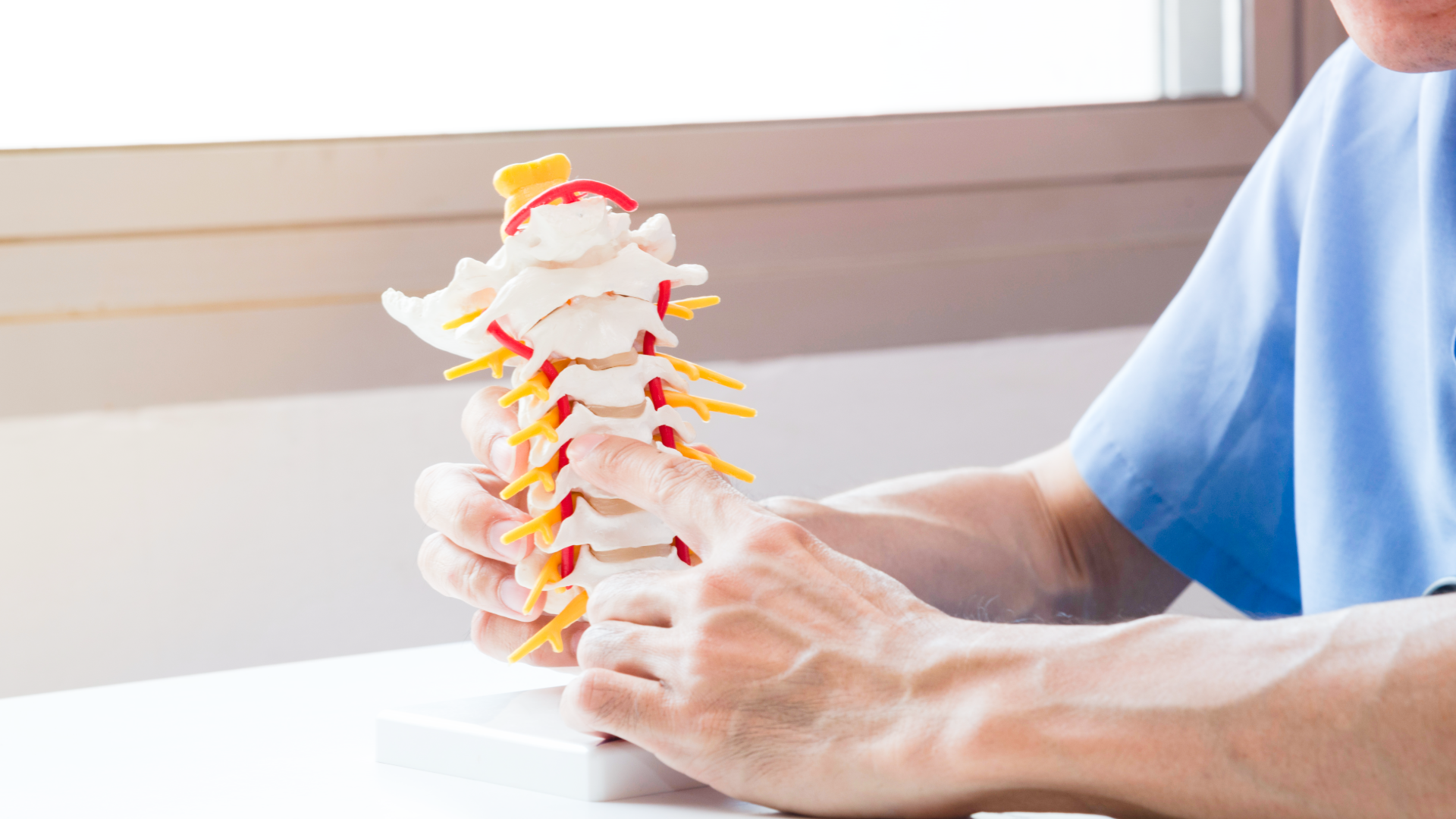
The neck is a part of the spine and is often referred to as the cervical spine. Since chiropractors specialize in spinal health, they can treat conditions like
whiplash. According to the American Chiropractic Association, over 34 million people in the U.S. receive chiropractic care each year. Chiropractors can also treat injuries that occur alongside whiplash, like nerve damage and strains.


5. How Long Does it Take to Recover?


Healing times can vary based on the injury's severity. It's not unusual for people to recover from whiplash within a few weeks, but some injuries can take months or more to heal fully. Without treatment, some people may experience lasting neck pain and stiffness.


Neck injuries can cause significant impairment and discomfort. Your neck helps support your head and upper back, and injuries like whiplash can interfere with your neck's functionality. That's why you shouldn't wait to seek treatment if you have symptoms of a whiplash injury. Contact Dr. Nikta Andalib, D.C., Q.M.E. today to make an appointment.



Man sitting in a car rubbing his trapezius, looking worried about minor pain after a car accident.
April 14, 2026
Experiencing pain after a car accident? Learn which symptoms are normal, which need attention, and what to do for a safe recovery.
Man receiving chiropractic care on his back to help reduce stress and relieve tension.
April 7, 2026
Discover how chiropractic care supports stress relief by improving nervous system function, reducing tension, and enhancing overall well-being.
A female athlete stretching her hamstring as a warm-up before exercising to prevent injury
March 23, 2026
Hamstring injuries can sideline your performance. Find out how to safeguard your muscles and keep moving strong with expert-backed prevention tips.
March 16, 2026
Learn how chiropractic care can help alleviate headaches and migraines by improving posture, reducing stress, and correcting spinal misalignments.
March 9, 2026
Can a chiropractor really help in improving bad posture? Explore causes, effects, and what treatments might support better alignment and comfort.
March 2, 2026
Neck pain after a car accident can signal deeper injury. Learn the importance of early care, what to watch for, and how chiropractic treatment can help.
Man holding shoulder inside car after accident, highlighting the importance of seeing a chiropractor
February 23, 2026
Know how long to see a chiropractor after a car accident and why starting treatment early helps speed up your recovery and prevent complications.
Chiropractor performing neck adjustment on a patient, showing how chiropractic works for pain relief
February 2, 2026
Learn how chiropractic adjustments work to relieve pain by correcting spinal misalignments, improving nervous system function, and promoting natural healing.
A chiropractor points to a spine model to explain the benefits of chiropractic care for pain relief.
January 26, 2026
Discover 5 key benefits of chiropractic care, pain relief, better posture, mobility, stress reduction, and overall wellness with Dr. Nikta Andalib.
August 5, 2025
Back pain often follows car accidents, even when the crash seems minor. Sudden, forceful movements can strain your spine and muscles, but pain might not show up immediately — sometimes it takes days. That’s why chiropractors emphasize early care to realign your spine, ease muscle tension, and help avoid long-term problems. In this blog, we’ll explore how chiropractic care can effectively treat back pain and support your recovery after a car accident. Why Back Pain Develops After a Car Accident Back pain after a car accident is common due to sudden, forceful impacts that disrupt spinal alignment. The spine consists of bones, discs, muscles, and nerves working together to support movement and protect the spinal cord. During a collision, the rapid back-and-forth motion, often called whiplash, can strain or injure these tissues. Common injuries include: Spinal misalignment (subluxations): Vertebrae knocked out of position, causing nerve irritation and muscle spasms. Muscle strains and ligament sprains: Overstretched or torn muscles and ligaments cause pain and stiffness. Disc injuries: Impact can cause discs to bulge or herniate, pressing on nerves and causing radiating pain or numbness. Back pain symptoms may not appear immediately; inflammation and tissue damage can take days or weeks to surface. How Chiropractic Care Treats Back Pain After a Car Accident Chiropractic care targets the root cause of back pain, often spinal misalignment or soft tissue damage. Through precise spinal adjustments, chiropractors realign the vertebrae to reduce nerve irritation and restore proper movement, relieving pain and improving mobility without invasive procedures. They may also use soft tissue therapies like massage or myofascial release to ease muscle tension and promote healing. Treatment is personalized to each patient’s injury and symptoms, often including stretches and strengthening exercises to support long-term recovery. Many patients experience pain relief, reduced inflammation, and improved function within a few sessions. Chiropractic care is a safe, drug-free approach that supports the body’s natural healing process and can help avoid surgery or prolonged medication use after an accident. When to See a Chiropractor After a Car Accident Key signs you should seek chiropractic care include: Persistent Back Pain: Pain lasting more than a few days or worsening may signal an injury needing professional attention. Limited Mobility: Difficulty bending, twisting, or turning your torso can indicate joint or muscle dysfunction. Tingling or Numbness: Sensations in the back, arms, or legs may suggest nerve compression. Radiating Pain: Pain traveling down your arms or legs could relate to disc injury or nerve irritation. Delayed Symptoms: Symptoms appearing days after the accident still require evaluation, as delayed pain can worsen without care. Next Steps in Your Recovery Back pain after a car accident can be more than just a temporary discomfort — it may signal deeper issues like spinal misalignment, soft tissue injuries, or nerve irritation. Chiropractic care offers a non-invasive, drug-free approach to diagnosing and treating these problems. From gentle adjustments to tailored recovery plans, chiropractors address the root cause of pain, helping the body heal and restore mobility over time. For those injured in car, motorcycle, or other vehicle accidents, specialized chiropractic care from experienced professionals like Dr. Nikta Andalib, DC, can make a significant difference in long-term recovery. Her comprehensive approach not only eases pain but also rebuilds strength and improves function. Schedule your accident evaluation today – don’t let pain hold you back any longer.